




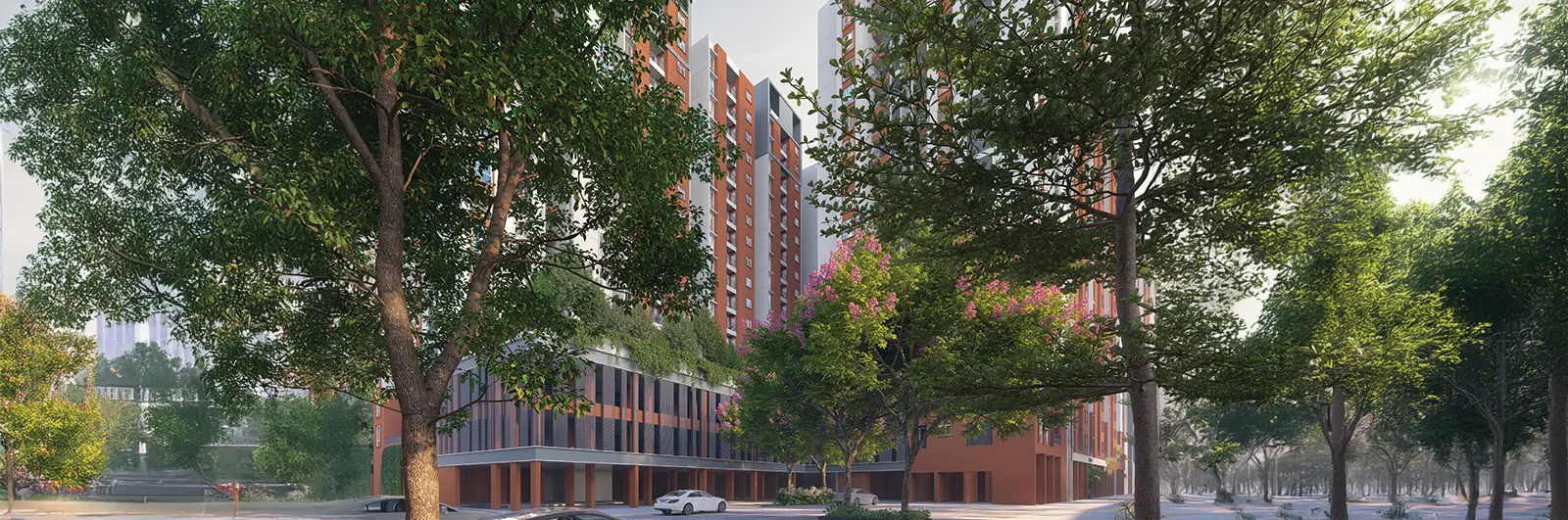
In a world where cities are becoming denser and life feels increasingly fast-paced, one element has quietly emerged as a decisive factor in homebuying: open space. What was once viewed as a luxury has now become essential to healthy, balanced living. People today are prioritising communities that offer greenery, breathing room, and thoughtfully planned outdoor zones that support wellness, recreation, calmness, and everyday quality of life.
Urbanisation has compressed living environments in many metros, but in well-planned emerging micro-markets—especially in the OMR corridor around Siruseri, Padur, Kelambakkam, and Navalur—larger land parcels have given rise to residential communities with exceptional open-space planning. These open areas are not decorative; they are functional, purposeful, and deeply beneficial to families, children, senior citizens, and working professionals.
Why Open Spaces Matter More Today Than Ever Before
Open space influences physical well-being, mental clarity, emotional balance, and social connection. Global studies by UN-Habitat, World Green Building Council, and health institutes consistently highlight that access to green environments improves air quality, reduces stress, and enhances cognitive performance.
Modern homebuyers increasingly understand this. They no longer want to be confined within concrete clusters. They actively seek environments where:
- Sunlight flows freely
- Trees and gardens soften the environment
- Children can play safely
- Adults can walk or run without leaving the community
- Neighbours connect naturally
- Seniors feel comfortable stepping outdoors
Open spaces create a sense of psychological relief — a powerful feeling of expanding rather than shrinking within a city.
What Open Spaces Add to Daily Living
-
Better Physical Health Through Movement
Spaces like:
- Walking trails
- Jogging loops
- Landscaped gardens
- Fitness lawns
- Cycling tracks
encourage people to be more active. Studies show that residents in green-friendly communities walk more, exercise more frequently, and sustain healthier mobility patterns. Even simple daily habits like taking an evening stroll boost heart health and mental refreshment.
-
Improved Mental Clarity and Reduced Stress
Greenery has scientifically proven calming effects:
- Lowers cortisol
- Improves focus
- Reduces anxiety
- Creates emotional grounding
Communities along the Siruseri–Padur stretch, with lower building density and ample landscaped areas, naturally support mental rejuvenation.
-
Healthier Childhood Development
Children flourish in environments that allow free, unstructured play. Open spaces provide:
- Motor-skill development
- Outdoor curiosity
- Social interaction
- Emotional expression
- Sensory richness
Instead of being confined indoors or on screens, children in open communities gain physical agility, creativity, independence, and confidence.
-
Natural Ventilation and Better Air Quality
Open layouts allow cross-ventilation, lower dust accumulation, and better air movement. The coastal wind corridor along OMR amplifies this benefit — communities near Siruseri and Kelambakkam experience cool breezes that improve microclimate comfort.
-
Social Connectivity and Community Bonding
Green spaces bring people together organically. Morning walkers greet each other, parents meet around play zones, seniors connect in seating courts, and community events take place in lawns. These interactions build belonging, trust, and emotional support.
How Open Spaces Influence Real Estate Value
Homes inside well-designed communities with significant open space outperform those in congested pockets.
-
Higher Demand
People instinctively choose homes that feel airy, open, and green.
-
Faster Appreciation
Buyers increasingly value fresh air, child-friendly environments, and lifestyle amenities. Properties offering 40–50% open space tend to appreciate faster because fewer such communities exist in highly populated cities.
-
Stronger Rental Preference
Working professionals, families, and NRIs consistently prefer communities with greenery over cramped buildings. Rental absorption is quicker because open spaces significantly enhance perceived lifestyle value.
-
Better Long-Term Livability
Communities with open space maintain quality even as the neighbourhood evolves. Even after 10–15 years, such developments remain attractive.
Why OMR’s Emerging Micro-Markets Offer the Best Open-Space Ecosystems
The residential stretch around Siruseri, Padur, Navalur, and Kelambakkam is uniquely positioned to offer the right combination of space, planning, and lifestyle comfort.
-
Larger Land Parcels
Compared to older city pockets, developers here have more space to create expansive central greens, podiums, courtyards, and recreational parks.
-
Modern Community Planning
These micro-markets feature contemporary gated communities inspired by international urban design, integrating:
- Multi-level landscaping
- Car-free central zones
- Meditation decks
- Pet-friendly spaces
- Amphitheatre-style lawns
- Senior wellness corners
-
Proximity to Nature
The OMR belt is flanked by lakes, green pockets, and breezy open surroundings that amplify the benefits of open-space living.
-
Ideal for Children and Elderly
Safe, accessible walkways, shaded seating courts, and recreational lawns create an environment where both seniors and children thrive in their own unique ways.
How Open Spaces Drive Emotional Well-Being
Environmental psychologists confirm that people living in green, open surroundings experience:
- Sharper cognitive performance
- Reduced irritability
- Better mood stability
- Improved sleep patterns
- Lower levels of urban-induced anxiety
Open spaces create an emotional cushion against the intensity of modern professional life. They allow residents to decompress and reconnect with themselves.
The Role of Open Space in Modern Architecture
Today’s top developers prioritise:
- Light-filled corridors
- Cross-ventilated towers
- Orientation for maximum breeze flow
- Sky gardens
- Rooftop greens
- Active and passive recreational zones
This shift transforms communities into living, breathing spaces — not just high-rise blocks.
In micro-markets like Siruseri–Padur, where space permits enhanced urban design, these elements come to life beautifully.
Open Space as an Investment Advantage
Buying into communities with planned open spaces is not only a lifestyle decision — it is a strong financial one.
Such homes offer:
- Better long-term demand
- Higher resale value
- Rental premiums
- Lower maintenance pressure
- Sustained appeal across generations
Investors prioritising projects with open areas gain higher returns because families and professionals overwhelmingly prefer these environments.
Conclusion: Open Spaces Elevate Life, Not Just Living
At its core, open-space living is about freedom — freedom to breathe, move, rest, connect, and evolve. It gives families room to grow, children room to play, seniors room to relax, and professionals room to unwind.
Open spaces:
- Calm the mind
- Energise the body
- Connect communities
- Elevate home value
- Anchor emotional well-being
- Enrich daily routines
In an ever-growing city, open spaces are not optional. They are essential.
They are what turn communities into sanctuaries.
And the neighbourhoods around Siruseri, Padur, Navalur, and Kelambakkam represent some of the finest open-space living environments in Chennai today.
FAQ
Why are open spaces so important in modern residential communities?
Open spaces support physical health, mental well-being, and social connection. They reduce the feeling of being boxed into concrete clusters, improve air movement and light, and create safe outdoor areas for walking, play, and community interaction. This combination makes everyday living healthier and more emotionally balanced.
How do open spaces improve physical health for residents?
Features like walking tracks, jogging loops, fitness lawns, and cycling paths encourage regular movement without leaving the community. Daily habits such as evening walks, morning runs, or casual strolls with family become easier, helping improve heart health, stamina, mobility, and weight management over time.
What mental health benefits do green and open areas provide?
Greenery has a proven calming effect. Exposure to plants, trees, and open sky is linked to lower stress hormones (like cortisol), better focus, reduced anxiety, and improved mood. Residents living in open, green communities often report feeling more refreshed, peaceful, and mentally clear after spending even short periods outdoors.
Why are open spaces especially important for children?
Children need room for free, unstructured play to develop motor skills, creativity, social confidence, and emotional expression. Open play courts, lawns, and gardens allow them to run, climb, explore, and interact with other children, instead of remaining indoors on screens. This leads to healthier bodies, sharper minds, and more balanced behaviour.
How do seniors benefit from living in communities with ample open space?
Senior citizens gain safe, accessible walking paths, shaded seating areas, and quiet corners for relaxation. These encourage light exercise, social interaction, and time outdoors without long travel. Regular gentle movement and fresh air help with joint flexibility, mood, sleep quality, and overall quality of life for elderly residents.
In what ways do open spaces enhance real estate value and appreciation?
Homes in communities with 40–50% open space are limited in dense cities, making them highly desirable. Buyers and tenants pay a premium for landscaped areas, parks, and car-free central zones. This higher demand often translates into faster price appreciation, better resale prospects, and stronger long-term asset performance.
Why is the OMR corridor (Siruseri, Padur, Navalur, Kelambakkam) ideal for open-space living?
These emerging micro-markets still offer larger land parcels compared to older city cores. Developers can plan wide central greens, podium gardens, and recreation zones. Proximity to lakes, breezy coastal winds, and relatively lower congestion enhances air quality and comfort, creating a naturally better environment for open-space communities.
How do open spaces help with ventilation and air quality in housing projects?
Generous setbacks, courtyards, and green pockets allow better cross-ventilation and air circulation around buildings. In the OMR belt, the coastal wind corridor further improves breeziness and reduces heat buildup. This leads to cooler microclimates, less dust stagnation, and fresher indoor air, especially when combined with smart building orientation.
Do homes with more open space attract better rental demand?
Yes. Working professionals, families with children, and NRIs consistently prefer communities that offer greenery, play areas, and walking tracks. These features significantly enhance perceived lifestyle value, so such homes tend to be rented faster, at better rates, and with lower vacancy periods compared to cramped developments.
As a homebuyer, what should I look for to ensure a project truly offers good open spaces?
Check the percentage of open space versus built-up area, presence of central greens and parks, car-free or low-traffic zones, children’s play areas, senior-friendly seating, walking/jogging tracks, and real landscaping (not just token patches). Also observe light, breeze, and how thoughtfully the outdoor zones are integrated into daily living.
Sources:
UN Habitat | World Green Building Council | Indian Green Building Council | The Hindu | Architectural Digest | Times of India

